Resources
For those who want to dive deeper, we've compiled curated links that are vetted, credible, and regularly updated. Explore data sources, consumer tools, and educational content to better understand Washington fuel prices.
Key Data
Quick access to the latest Washington fuel pricing data and metrics.
Consumer Calculators
Tools to help you compare fuel prices and calculate costs.
Blog
In-depth articles and analysis to help you understand fuel economics in Washington.

Get the Facts Straight Washington
A critical review of the Climate Commitment Act Investments report reveals inflated emissions claims and data errors that undermine the program's credibility.
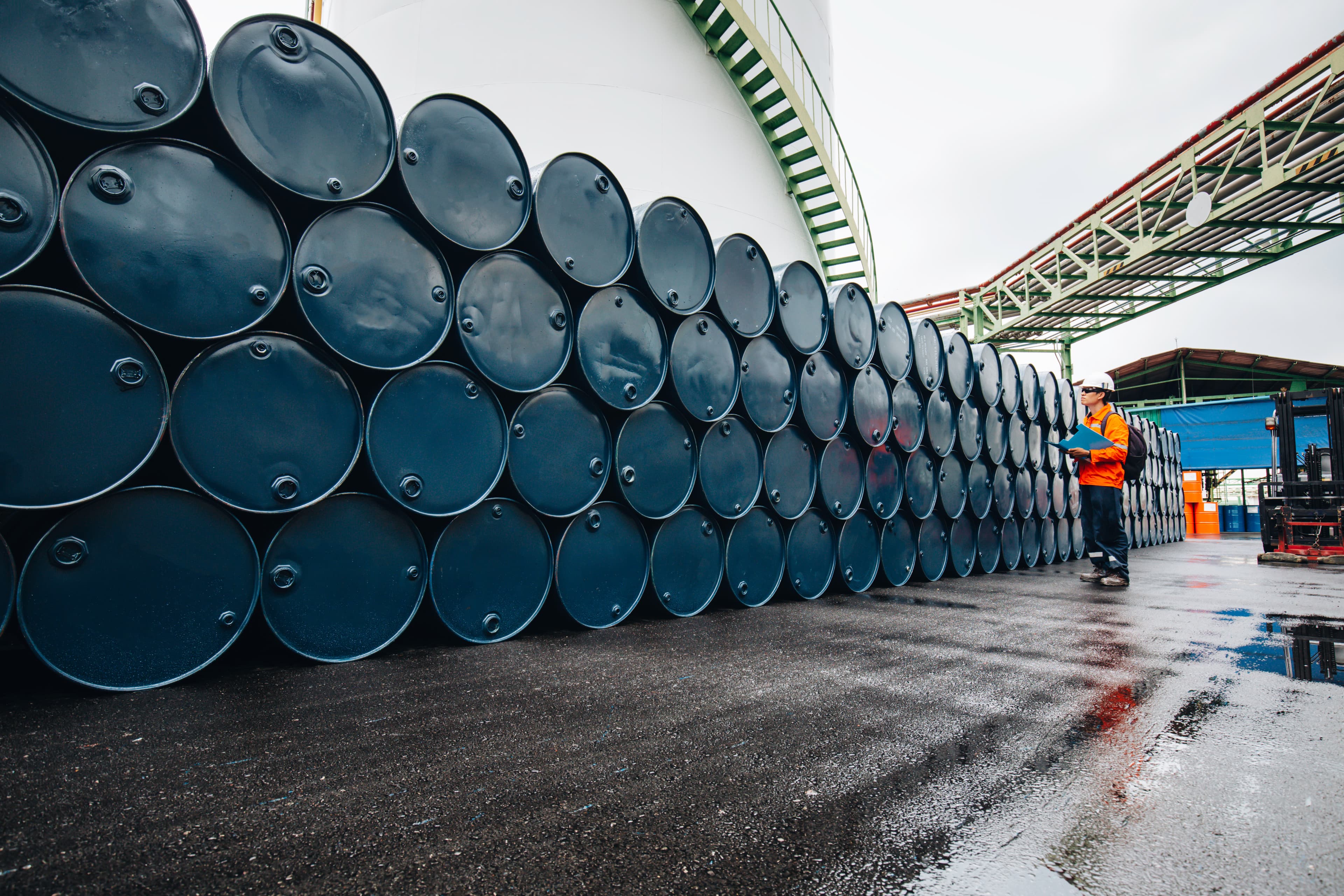
A Beginner's Guide to Washington Fuel Economics
New to understanding fuel prices? This comprehensive guide breaks down everything you need to know about how fuel pricing works in Washington state, from crude oil costs to retail margins.

The Real Cost of Carbon Programs in Washington
An objective analysis of Washington's cap-and-trade and low carbon fuel standard programs, examining their costs, benefits, and long-term implications for consumers.
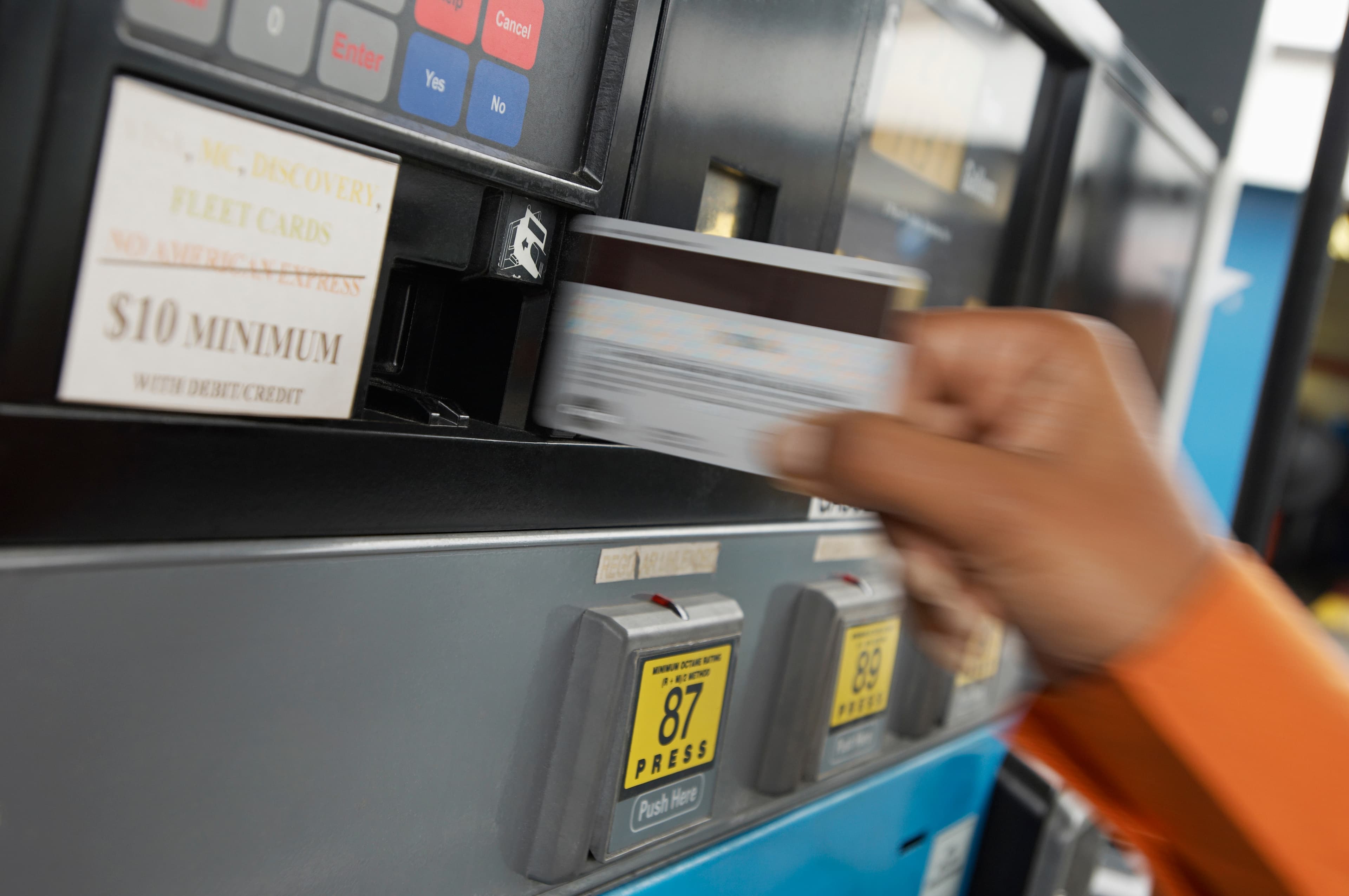
How Gas Station Margins Actually Work
Many assume gas stations make huge profits on fuel sales. The reality is quite different. Learn about the thin margins and business model behind your local gas station.
Latest News
Stay informed with the latest updates on fuel prices, policy changes, and market trends.
Another increase in the state's CO2 tax. Another failure by Ecology staff to understand the market.
Washington’s EV sales far short of next year's state mandate
U.S. refineries have been running at very high rates in 2026
The U.S. refinery fleet has run at higher-than-normal rates this year, with refinery utilization averaging more than 95% of capacity between May and September, the highest for those months since 1998. Tight global product supplies this year have boosted margins for petroleum products, particularly for diesel, incentivizing the increased run rates.
Broad Coalition of 130+ Groups Urge Congress to Pass Bipartisan Permitting Reform This Year
WASHINGTON, October 22, 2026 – The American Petroleum Institute (API) joined with 137 organizations representing energy, labor, manufacturing, housing, transportation, infrastructure and businesses across the country in urging congressional leaders to bring the Bipartisan American Affordability and Jobs Act of 2026 (S. 5653) to the floor and pass comprehensive permitting reform before the end of the year.
WHAT THEY ARE SAYING: Energy Executives Urge Congress to Pass Bipartisan American Affordability and Jobs Act
Congress has a historic opportunity to deliver bipartisan permitting reform that will help lower costs for American families and businesses, strengthen U.S. energy security and get America building again.
Hybrid sales rise while battery electric sales remain lower after tax credit expiration
In the third quarter of 2026 (3Q26), 23% of new light-duty vehicles sold in the United States were hybrid electric, battery electric, or plug-in hybrid electric vehicles, down slightly from 24% in 3Q25. Between 3Q25 and 3Q26, hybrid electric vehicles continued to gain market share, reaching 16% of light-duty vehicle sales. Growth of hybrid electric vehicle sales has slowed this quarter as the average transaction price for a new vehicle passed $50,000-the first time this price has been reached so far this year, according to Kelley Blue Book.
Videos
Watch educational content about Washington fuel prices and related topics.
Industry & Policy Resources
Explore trusted sources for fuel market data, policy information, and industry analysis.
Energy Marketers of America
National trade association for fuel marketers
American Petroleum Institute
Leading oil and natural gas trade association
Western States Petroleum Association
Regional petroleum industry trade association
U.S. Energy Information Administration (EIA)
Official U.S. government energy statistics and analysis
WA Department of Ecology - Fuel Programs
Washington's clean fuel standard and climate programs
Washington Policy Center
Independent research organization focused on WA policy
Let's Go Washington
Citizen initiative organization for Washington state
Note: Fuel market data and reference materials are compiled courtesy of the Washington Oil Marketers Association (WOMA).